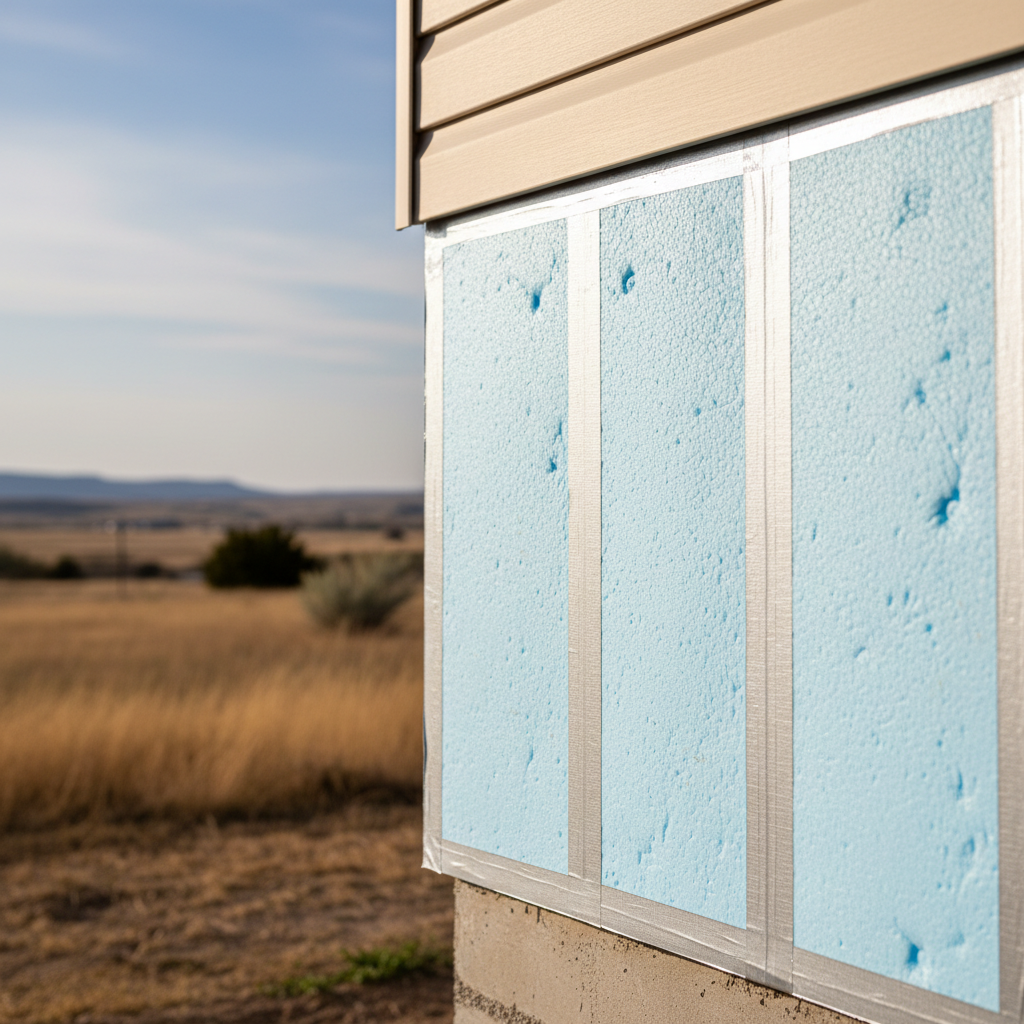
Alright, let's talk insulation. It's not the flashiest home improvement, but man, does it make a difference to your comfort and your wallet, especially with those brutal Dodge City winters and scorching summers. I've seen countless homes around here, from the older places downtown to the newer builds out by the bypass, and one thing's for sure: good insulation is key.
Before You Start: What You Need to Know
First off, figure out what you've got. Head up into your attic, or if you've got a crawl space, take a peek. What kind of insulation is already there? Is it batt insulation (those big rolls or pieces), blown-in (looks like fluffy cotton or shredded paper), or something else? How much of it is there? You're looking for depth. In our climate, you generally want a pretty thick blanket of the stuff, often R-38 to R-60 in attics, which can be 12 to 22 inches deep depending on the material. If you can see your ceiling joists, you probably don't have enough.
Next, identify your problem areas. Is one room always colder or hotter than the rest? Do you feel drafts around outlets or windows? These are clues. Sometimes it's not just about adding more, but about sealing up air leaks first. Think of it like this: you wouldn't put a warm coat on a sieve, right? Seal the holes, then add the insulation.
DIY Insulation: Where You Can Save Money
There are definitely parts of an insulation project you can handle yourself, and it can save you a good chunk of change. Just make sure you're up for the work and you're doing it safely.
- Attic Top-Up: If you've already got some insulation in your attic and just need to add more to reach recommended R-values, this is often a DIY-friendly job. You can rent a blower machine for blown-in cellulose or fiberglass from most big box stores, or you can lay down fiberglass batts or rolls right over the existing stuff. Just be careful where you step; you don't want to go through your ceiling. Lay down plywood planks across the joists if you need a stable surface.
- Sealing Air Leaks: This is a big one and totally doable for most homeowners. Grab some caulk for smaller gaps around window frames and door frames. For bigger gaps, like around pipes or electrical wires going into your attic, use expanding foam sealant. Don't forget weatherstripping for doors and windows. This step alone can make a noticeable difference in comfort and energy bills.
- Easy-Access Wall Cavities: If you're doing a renovation where a wall is already open, adding batt insulation is straightforward. Just cut it to fit snugly between the studs, making sure there are no gaps. Wear gloves, a mask, and long sleeves; fiberglass can be itchy.
Remember, safety first. Attics can be hot, dusty, and have sharp nails or electrical wires. Always wear appropriate personal protective equipment: a good respirator, gloves, eye protection, and clothes that cover your skin. And make sure the attic is well-lit.
When to Call a Pro: It's Worth the Investment
While some jobs are good for DIY, there are times when calling in a professional is just smarter. We've seen a lot of folks try to tackle complex insulation jobs and end up with bigger problems or just not getting the results they hoped for.
- Full Attic Clean-Out and Re-Insulation: If your attic insulation is old, damaged by water, or contaminated by pests (squirrels, mice, you name it, we've seen it in Dodge City attics), you need a pro. Removing old, dirty insulation is a messy, sometimes hazardous job that requires specialized equipment and disposal. Then, installing new insulation correctly to maximize its effectiveness is critical.
- Dense-Packing Walls: If your walls are hollow or poorly insulated and you don't want to tear them open, a professional can dense-pack them with blown-in insulation. This involves drilling small holes in the exterior or interior walls and injecting insulation under pressure. It's a precise job to ensure full coverage without bulging your walls.
- Spray Foam Insulation: This stuff is fantastic for sealing and insulating, especially in hard-to-reach areas or rim joists in basements. But it's not a DIY product. Spray foam requires specialized equipment, training, and careful handling of chemicals. It expands rapidly and needs to be applied just right to avoid issues.
- Crawl Space Insulation: Crawl spaces can be tricky. They're often damp, tight, and can have moisture issues that need to be addressed before insulation goes in. Professionals know how to properly insulate crawl space walls and floors, often combining it with vapor barriers to control moisture.
- Identifying Hidden Problems: A good insulation contractor, like us at Paradise Siding Company, can do an energy audit. We've got tools like thermal cameras that can pinpoint exactly where you're losing heat or gaining unwanted heat. This takes the guesswork out of it and ensures you're putting your money in the right place. Sometimes, it's not just insulation; it could be ductwork leaks, ventilation issues, or even siding problems contributing to your energy woes.
Look, the goal is to make your home more comfortable and energy-efficient. If you're not confident, or if the job looks bigger than you expected, don't hesitate to get a few quotes from local professionals. We're here to help you figure out the best approach for your home, whether that's a full professional install or just some solid advice for your DIY project. Investing in good insulation pays off, plain and simple.